monero has been blowing up. the whole privacy meta has taken over crypto twitter. finally.
we all know snowden was right. that's old news. but the scale of what's happening now makes 2013 look like child's play.
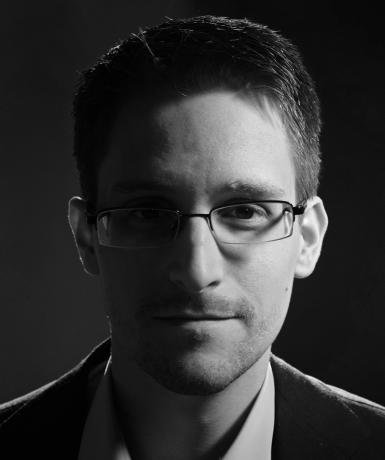
context for the zoomers
if you didn't grow up with this news cycle:
edward snowden was an NSA contractor who leaked thousands of classified documents in 2013.
he proved the US government wasn't just spying on terrorists. they were spying on everyone.
emails, calls, photos. all of it.
the extremist label
so i started looking up how to stay anonymous. just out of curiosity.
apparently, the NSA flags you as an "extremist" just for looking up Tor or Linux Journal.
let that sink in.

i'm not some privacy activist.
i use google. i have social media.
but being curious shouldn't make you a suspect.
why? because if you have nothing to hide, you have nothing to fear, right?
wrong. knowing you're being watched changes how you act.
privacy isn't just about hiding crimes. it's about autonomy. it's about not having every search, purchase, and location logged forever.
the questions
if cash is anonymous and legal, why is digital cash (monero) viewed as suspicious?
if locking your door is normal, why is encrypting your data "extremist"?
for the technical nerds
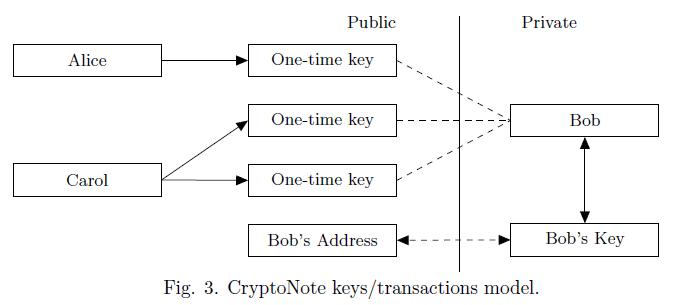
how does it actually work? ring signatures. stealth addresses. confidential transactions. basically, it takes your money, mixes it with everyone else's money in a blender, and spits it out on the other side clean.
here is a diagram i found. i don't fully get it but it looks cool and complicated. arrows go brrr.
privacy is the power to selectively reveal yourself to the world.
anyway, i'm not telling you to go off the grid or wear a tinfoil hat. i just think it's weird that wanting privacy is treated like a crime.
tools like signal and monero are just... tools. might be worth understanding them, even if you never use them.
stay curious.